
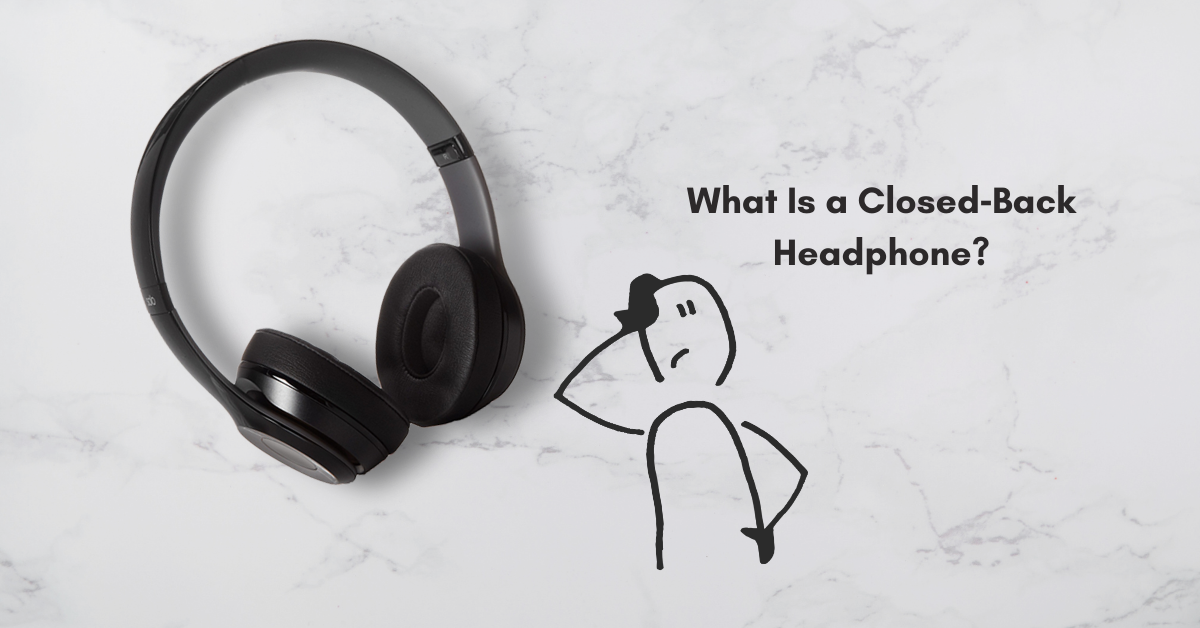
If you’re diving into the world of headphones, you may have come across the term closed-back headphones. But what does it actually mean? Whether you’re a newcomer to the world of audio gear or have questions about the hardware that’s powering your tunes, learning about closed-back headphones can help. It can help with your next purchase.
In this article, we’ll explore what closed-back headphones are and how they differ from open-back headphones. And why you might want to choose them. By the end, you’ll know if they’re the right fit for your needs.
What Are Closed-Back Headphones?
Closed-back headphones use sealed ear cups. That prevents sound from escaping and blocks external noise. The rear of the ear cup is completely closed. This is what makes these headphones great at isolating sound.
The closed design also provides a more focused listening experience while helping block out ambient noise. Closed-back models keep the sound entirely sealed in, making for a private listening experience (unlike open-back headphones, which feature a more open design).
Key Features of Closed-Back Headphones
Noise Isolation: The sealed ear cups block most background noise. Making them suitable for use in loud environments, such as public transport or crowded offices.
Minimal Sound Leakage: With closed-back headphones, audio doesn’t leak outside. So it doesn’t disturb people around you while working or in a public place.
Bolstered Bass: The closed design may also offer bass boost. Resulting in a punchier sound that’s ideal for hip-hop, electronic, and gaming genres.
Closed‑Back vs Open‑Back: How They’re Different
Think of closed‑back vs open‑back like privacy vs openness in sound:

| Closed‑Back | Open‑Back (for comparison) |
|---|---|
| ✔ Blocks outside noise | ✔ Airy, wide soundstage |
| ✔ Keeps music private | ✔ Natural, spacious listening |
| ✘ Audio might feel “inside the head.” | ✘ Audio might feel “inside the head.” |
| ✘ Audio might feel “inside the head.” | ✘ Not ideal in noisy environments |
| ✘ Not as roomy or spacious sounding |
As such, the closed‑back is almost always better if you need isolation and focus. However, if you need natural sound and space, open‑back headphones win the day.
If you’re curious about the best options available, check out this guide to the top open-back headphones for gaming.
Why Choose Closed-Back Headphones?
Closed-back headphones are best for certain situations:
- Travelling: Whether you’re on the road or in the air, isolation helps block out engine noise and conversations. For those looking for a more immersive travel experience, travel headphones are a good option. Closed-back designs offer excellent noise isolation and comfort for long trips.
- Office and Public Spaces: The headphones will help you focus in shared environments where you need to keep your music private.
- Gaming: If you want to get fully immersed in the game without external noise, closed-back headphones are best. Delivering sound effects and dialogue clearly.
- Music Production Won’t Leak Sound: Won’t leak sound into microphones, making them perfect for recording in studio environments.
Pros & Cons of Closed-Back Headphones
Pros:
- Great noise isolation for focused listening
- No annoying sound leakage to disturb the Air Bassphones.
- More Bass and punch for certain genres.
Cons:
- Not as natural or open-sounding as open-back headphones.
- Perceivable warmth in your ears after prolonged wearing.
Should You Buy Closed-Back Headphones?
Closed-back headphones cater to the needs of those who require privacy and noise isolation. They’re rich, Bin Bass. They’re perfect for commuting, gaming, and working in noisy environments. Or just enjoying music without bothering anyone else. If you prefer a more open, natural sound, however, you might be interested in open-back models instead.
In the end, it all comes down to your needs. Closed-back headphones are the perfect option if you’re always on the go or need to concentrate in loud environments.
Keep these main differences in mind to choose the best headphones for your needs. Whether you’re an audio buff hunting down the best sound or just after a good pair of headphones, closed-back designs strike a comfortable balance between isolation and immersive sound.
⟳ Post on Mar 15, 2026


0 Comments