
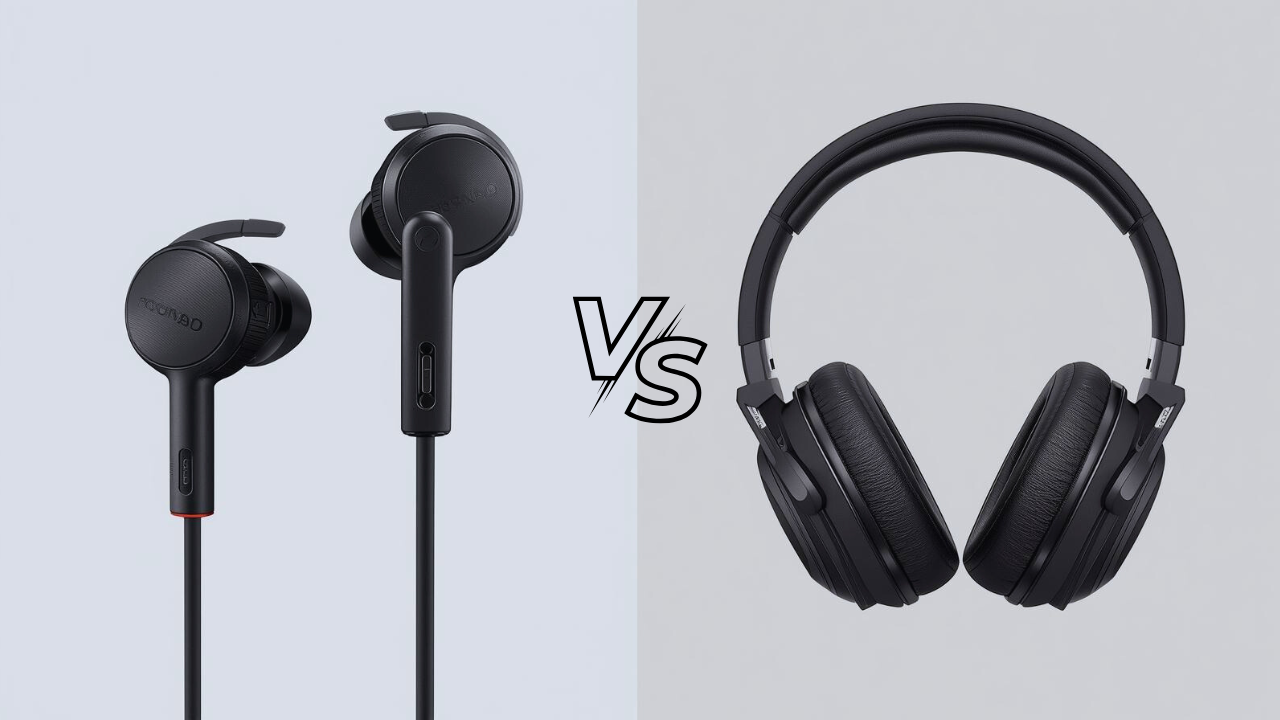
When it comes to choosing a pair of headphones, the process can be a bit bewildering. Should you go with in-ear models because they’re easier to carry around? Or would over-ear headphones make more sense for their comfort and sound quality? It’s a tough choice. On top of that, your decision could depend on the weather.
But don’t worry. We’re here to break it down for you. In this guide, we’ll examine both types of headphones. We’ll list the pros and cons of each. This will help you decide which one best suits your needs and lifestyle.
Table of Contents
- Headphone Types Explained
- In‑Ear And Over‑Ear Headphones Pros & Cons
- Sound Quality & Listening Experience
- Comfort & Lifestyle Fit
- Comparison Table: In‑Ear vs Over‑Ear Headphones
- Which Should You Choose? Decision Guide
- Conclusion
01. Headphone Types Explained
Bringing the scene of details of the chapter with them, hand over as we know it will be with you. Define ‘On-Ear’ & ‘over-ear headphone’.
In‑ear headphones

In-ear headphones are small, lightweight, and fit directly in the ear canal. As they are highly portable, these headphones are perfect for anyone whose life is always on the go.
In‑ear headphones are a great choice, whether you’re running, commuting, or traveling. Some models even offer noise isolation or active noise cancellation (ANC) to block out surrounding noise, too.
Over‑Ear Headphones
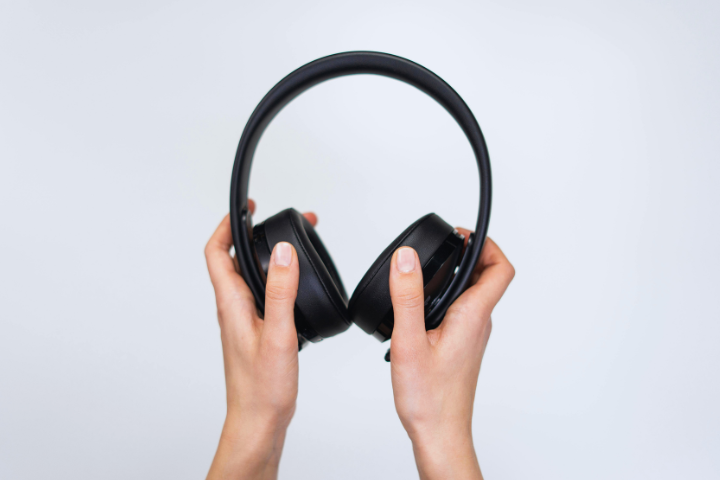
Over-ear headphones have prominent, round speakers that completely encase your ears. Due to their larger drivers, they typically deliver a more enveloping sound experience.
Thus, if you want greater richness of sound and more pleasant listening over a long period, then over‑ear headphones are the right ones to use. Compared to those models that go in the ear, many are constructed with padded ear cups, which provide extra comfort.
02. In‑Ear And Over‑Ear Headphones Pros & Cons
Now let’s see where the pros and cons of each type lie.
In‑Ear Headphones
Pros
- Portable: They are small and easy to carry. You could stick them in the armscye pocket of a shirt or take them along together with your other gear without needing extra space.
- Low–Cost: True Wireless Stereo (TWS) headphones are generally more economical than over-ear ones. Just the ticket for those of us who want one or two top-quality sets without spending too many bucks on them.
- Great for Active Lifestyles: When you run, ride, or exercise, your earbuds stay in place, so you don’t have to worry about losing sound.
Cons
- Sound Quality: If you’re listening casually, they’ll do, but you won’t get the powerful bass or full-bodied sound one can expect from over-ear headphones.
- Suitability: Depending on the design of your ear, the comfort of the TWS earphones can vary. Some people cannot bear to wear them as time goes on because they are not snug-fitting, especially when listening for hours or days.
- Battery Life: Wireless TWS earphones won’t have as long a battery life as their over-the-ear brothers, so you might need to bring more battery chargers.
Over‑Ear Headphones
Pros
- Amazingly Real Sound: When you have these over‑the‑ear headphones on, you hear the world come alive in such a different way. Bass is stronger, and there’s more nuance in sound and audio quality than before.
- Comfortable for Long Listening: The headphones feature cushioned ear cups, making them easy to wear for extended listening. You can wear them for a long time without feeling them, thanks to the cups’ comfort.
- Active Noise Cancellation (ANC): High-end models typically include ANC, which can help block background noise. That means your music or podcast will no longer be drowned out by other noise.
Cons
- Too Bulky: These headphones are too big, making them challenging to toss into a handbag and take along. You’ll need a case for them or at least some kind of protective covering.
- Price: With better sound quality and ANC, it’s hard to say no to this upgrade, which means you’ll have to shell out more.
- Can Be Warm: If you use the headphones in a hot environment, the cushions can become quite warm after a while.
03. Sound Quality & Listening Experience
Sound quality is essential for most people. Let us take these factors apart and see what makes up the listening experience.
In‑Ear Headphones
In‑ear headphones can give good sound for easier listening. They’re suitable for podcasts and short music sessions. However, when it comes to deep bass or high‑fidelity sound, they don’t compete with over-ear headphones.
They are all right for everyday use, but you won’t have the same immersive experience as with over-ear headphones.
Over‑Ear Headphones
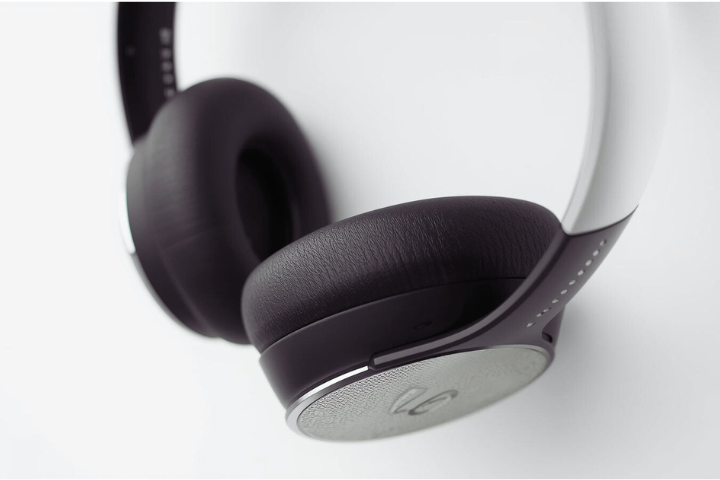
What if sound quality is essential to you, and so you must choose over‑ear headphones? Then you have a heavier, more robust sound; more prominent bass and a sound that is better balanced overall. (Not) If It’s to Really Feel the Music (For).
04. Comfort & Lifestyle Fit
Next, let’s examine which headphones are the most comfortable in various situations. Thanks for reading.
Who Should Choose In‑Ear?
Active Lifestyles: If you are a frequent traveller or runner, in‑ear headphones are best for these activities. They’re small, and they keep their place during movement as well.
Short Listening Sessions: If you only listen to music for brief periods in time, in‑ear headphones do not add weight and are easier to use, and are also the most comfortable

Who Should Choose Over‑Ear?
Long Listening Sessions: Want to listen for hours at a time? You can’t beat over‑ear headphones. The heavily padded ear cups make them much more comfortable to wear for long periods.
Sound Buffs: Want rich, immersive sound and to hear every nuance of your music? Then, over‑ear headphones are your number one choice.
05. Comparison Table: In‑Ear vs Over‑Ear Headphones
| Feature | In‑Ear Headphones | Over‑Ear Headphones |
|---|---|---|
| Portability | Small, easy to carry | Larger, requires more space |
| Comfort | Travel, workouts, and short listening sessions | Comfortable for long sessions |
| Sound Quality | Good for casual listening, lacks depth and bass | Rich, full sound with clear bass |
| Noise Isolation | Passive isolation, some need ear tips | Better isolation, many with ANC |
| Battery Life (Wireless) | Shorter battery life | Longer battery life, especially with ANC |
| Best For | Music, movies, gaming, and long listening sessions | Excellent, detailed, and balanced audio |
| Price Range | More affordable | Generally more expensive |
| Connectivity | Bluetooth, some with wired options | Bluetooth, some with advanced codecs or Wi-Fi |
| Audio Quality for Music | Decent for casual listening | Excellent, detailed and balanced audio |
| Fit & Adjustment | Fits by ear shape, may not stay in place during movement | Adjustable headband, stays secure |
| Durability | Small and easy to lose | It can cause discomfort during long use |
06. Which Should You Choose? Decision Guide
Here’s a quick guide based on your needs:
| Priority | Best Choice |
|---|---|
| Portability | In‑Ear Headphones |
| Sound Quality | Over‑Ear Headphones |
| Comfort for Long Sessions | Over‑Ear Headphones |
| Active Use (Workout/Travel) | In‑Ear Headphones |
It’s all about what’s most important to you. In‑ear headphones are perfect for enjoying music anywhere, while Over‑ear headphones guarantee both comfort and premium sound.
Conclusion
At the end of the day, opinions on in‑ear vs over‑ear headphones all come down to the kind of life you lead and your aesthetic preferences.
In‑ear headphones are light and easy to carry with you for short listening sessions. Over‑ear headphones are the best for comfort and top-notch sound during long listening sessions.
Now that you have the facts, select your perfect pair and get ready to roll. Happy listening!
⟳ Post on Dec 27, 2025




0 Comments