
Summary: Nowadays, Active Noise Cancellation (ANC) is transforming the way we experience audio. The ANC feature helps you to remove distracting background noise. As a result, you can better hear the sound signal you want to listen to. This is especially helpful in noisy places like an office or a train, where it can be difficult to concentrate.
In a distraction-filled world, noise-canceling technology keeps your attention on what matters. It blocks out unwanted noise, allowing you to hear only what matters. Whether you’re commuting, working, or relaxing at home, it improves your audio experience.
This guide will explain the science of ANC. We will also cover its use in different devices and how to choose the best ANC product for you.
What is Active Noise-Cancellation?
You may be wondering, what is ANC? What does ANC stand for?
Active Noise Cancellation helps get rid of noise from outside that you don’t want.ANC stands for Active Noise Cancellation. It helps block out unwanted noise from the outside, so you can enjoy a quieter environment.
But it’s different from passive noise-canceling. Unlike regular headphones, which block noise passively by covering your ears, noise-canceling technology uses electronics.
It actively cancels out ambient sounds, creating a quieter listening experience.
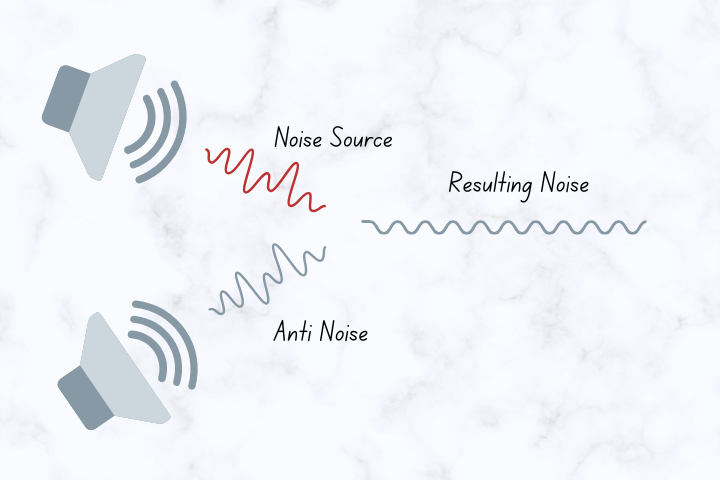
The science behind using the device’s built-in microphones, such as headphones or speakers. These microphones pick up external sounds. The device then creates a sound wave that’s the reverse of the noise. When the two waves meet, they cancel each other out.
We call this destructive interference. With ANC, you get a more focused and distraction-free listening experience. Blocking low-frequency sounds—such as engine hums, air conditioning noise, and traffic noise—is what it does especially well.
However, ANC doesn’t cancel high-frequency sounds, like human speech or sirens. This is to make sure you can still hear important safety signals when needed.
How Does Active Noise-Cancellation Work?
While the science behind Active Noise Cancellation may seem complicated, it’s actually quite simple. ANC works by using a sound to cancel out unwanted noise. Here’s how it functions:
Step 1. Microphones Detect the Noise
The key part of any ANC system is its microphones. These small sensors are built into the headphones, earbuds, or speakers. They continuously listen to the sounds around you.
The microphones pick up unwanted noise, such as the hum of an airplane engine or the sound of an air conditioner. They can also detect chatter in a crowded café. The better the device, the more precisely it can detect even subtle background sounds.
2. Sound Wave Inversion
Once the microphones capture the background noise, the system filters out unwanted sounds. It then creates an “anti-noise” sound wave, which is the opposite of the detected noise.
This anti-noise wave is out of phase with the original sound. This means the waves reverse their peaks and valleys. When the two sound waves meet, they cancel each other out. We refer to this phenomenon as destructive interference.
3. Noise Reduction and Sound Clarity
This results in a much quieter listening experience. While that system doesn’t completely block all noise, it’s particularly good at reducing constant, low-frequency sounds. For example, on an airplane, it can cancel out the ambient noise and engine noise. This leaves you with a more peaceful environment.
However, isn’t as effective at blocking sporadic, high-pitched noises, like human speech or the clinking of dishes. Despite these limitations, many people still love ANC. The benefits far outweigh the drawbacks.
4. Customizable Noise Control
Some noise-cancelling headphones let you adjust the level of noise cancellation. You can choose how much background noise you want to block, depending on the situation.
For example, on an airplane, you might prefer a high ANC setting to block all noise. But in a coffee shop, you may want to hear certain sounds, like conversations.
In this case, you can lower the ANC level or turn it off completely. Some headsets even offer a “pass-through” mode, which lets you hear external sounds.
Types of ANC Technology
Two main types of noise-cancelling technology exist. Each one helps reduce noise in its own way, making your listening experience much better.
Standard ANC: This type generates a constant anti-noise signal. Canceling low-frequency sounds works great. For example, it works well with the hum of an engine or the noise from an air conditioner.
Adaptive ANC: This is a more advanced and intelligent system. It adjusts in real time to different types of sounds around you. Perfect for environments where noise levels often change, such as busy streets or crowded places.
How ANC Works in Different Devices
ANC in Headphones
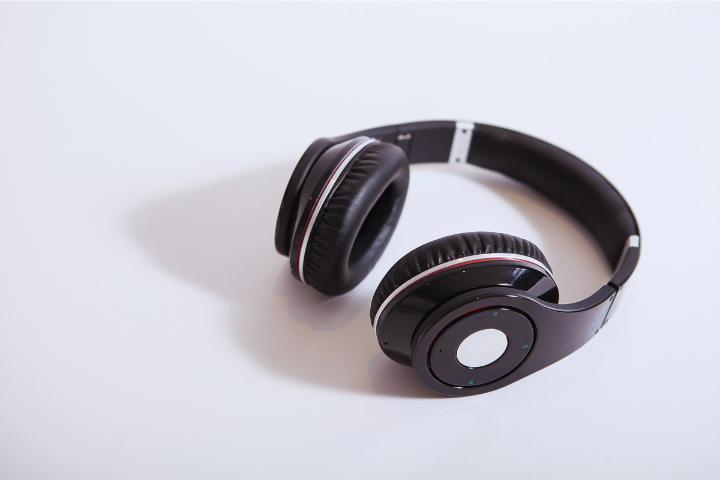
Headphones are the most common place to find Active Noise Cancellation technology. Unlike passive noise-canceling headphones, which simply block sound through their design. Whether you’re listening to music or attending a meeting, ANC improves sound quality by blocking out outside noise.
Brands like Sony, Bose, and Sennheiser are favorites among music lovers looking for high-quality headphones with advanced ANC.
| Benefits | Drawbacks |
|---|---|
| Great for long flights, busy offices, and noisy environments. | Can add weight to headphones, making them bulkier. |
| Helps you avoid hearing background noise, improving focus. | Certain models can produce audio distortion when played at high volumes. |
ANC in Earbuds
Noise-canceling technology is now also available in earbuds, offering portability without the bulk of traditional headphones. These in-ear noise-canceling systems work just like bigger headsets. However, they’re usually less effective because of their smaller size.
However, improvements in components, such as better-placed microphones, have made noise-cancelling earbuds a strong choice. They are especially popular for people on the go.
| Benefits | Drawbacks |
|---|---|
| Small and lightweight | May not provide the same level of noise reduction as over-ear models. |
| Easy to carry around | |
| Great for home use or jogging |
ANC in Speakers
While ANC is commonly found in headphones and earbuds, it’s still a new technology in speakers. Bluetooth speakers with ANC can adapt to their environment and cancel out loud, unwanted noises.
However, because of the size and design of speakers, noise-cancelling isn’t as effective as it is in headphones or earbuds.
| Benefits | Drawbacks |
|---|---|
| Great for home use or outdoor tasks. | Less effective than headphones at blocking high-frequency sounds. |
- Benefits: Great for use at home or for outside tasks.
- Drawbacks: Less effective than headphones in high-frequency noise-gating (as we have seen above).
“Do you need headphones that can handle harsh environments? Check out our Top Picks for the Best Headphones for Construction Workers for durable options.”
Conclusion
Active Noise Cancellation technology has transformed how we enjoy music and stay focused at work. It lets us block out the chaos around us, creating a more peaceful environment.
Noise-canceling in headphones and earbuds has been around for decades, and it continues to improve. The future looks promising for in speakers as well. Whether you need ANC headphones for travel or earbuds for your daily commute, there are plenty of options available.
⟳ Post on Oct 17, 2025




0 Comments