
Summary: “Noise-canceling headphones work by using electronics to block lower-frequency sound. They are perfect for travel or loud places – but they require batteries.
On the other hand, passive noise isolation uses the shape of the headphones to block out sound. These headphones are more affordable. They work better in quiet environments.
Choose ANC for heavy noise-blocking. Choose passive isolation if you value comfort and want to save a bit of money.”
Choosing the right headphones can feel overwhelming. Especially when you come across terms like ‘noise-cancelling’ and ‘passive noise isolation’. People use these buzzwords a lot, but what do they actually mean?
In this article, we’ll break down both terms and explain how they work. We’ll also help you figure out which one suits your needs.
Understanding Noise-Canceling Technology
In a world full of noise, noise-canceling technology acts like your personal sound protector. It uses electronics to block out unwanted sounds.
The technology works by creating special sound waves that cancel out the noise around you. Microphones pick up external noise, and speakers produce sound to block it out.
Top Features of Noise-Canceling Headphones:
- Active Noise-Canceling (ANC): With a battery, ANC headphones can filter out even more sound. They’re perfect for steady background noise like engine hums or air conditioning.
- Ideal for: These are great for travel, commuting, or working in a noisy office.
- Battery-dependent: ANC needs power, so it’s important to check the battery life.
Already Familiar with Noise-Canceling Technology?
Suppose you’re looking for more detailed information. To dive deeper into how noise-canceling technology works, check out our in-depth article.
What is Passive Noise Isolation?
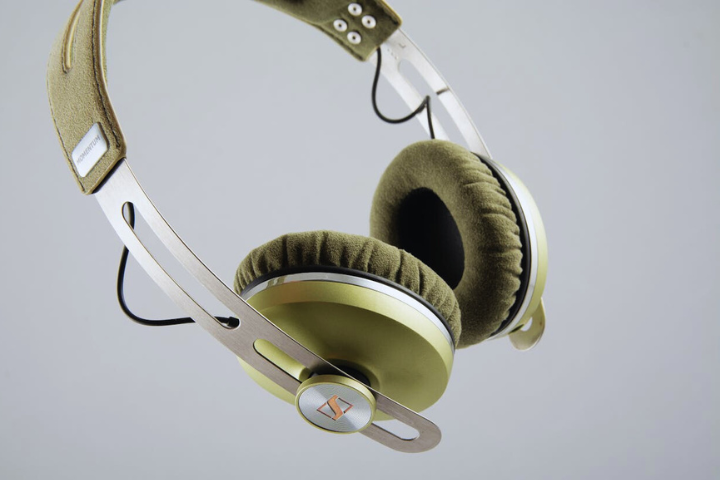
You don’t need electronics for passive noise isolation. These headphones don’t use electronics; they rely on their construction. Most of the time, they have padded ear cups or snug-fitting earbuds that fit snugly around your ears to block out outside sounds. Similar to the traditional method of finding a bit of calm.
Top Features Of Passive Noise-Canceling Headphones:
- No batteries needed: You don’t have to worry about charging them because they don’t have any electronics.
- Comfort and Fit: These headphones usually have padded ear cups or a tight seal that keeps sound out.
- Good for: Places that are quiet, like libraries or home, where there isn’t too much noise, but some sound is still there.
Noise-Canceling vs Passive Noise Isolation: A Side-by-Side Comparison
Here’s a brief comparison that can help you visualize how these two different technologies compare:
| Feature | Noise-Cancelling Headphones | Passive Noise Isolation |
|---|---|---|
| Noise Blockage | Active reduction of ambient noise | A physical barrier blocks sound |
| Battery | Requires a battery to function | No battery needed |
| Effectiveness | Best for consistent, low-frequency noise | Effective for mid-to-high frequencies |
| Comfort | It can be less comfortable due to the electronic components | Usually more comfortable for extended use |
| Price | Generally more expensive | More affordable |
| Best For | Frequent travellers, commuters, and noisy workplaces | Quiet environments, at-home listening |
Which is Better for You?
Now that you understand both technologies, let’s discuss which one fits your needs.
When to Choose Noise-Canceling Headphones
- Traveling: If you’re always on planes or trains, ANC headphones can help you relax or focus by blocking out noise.
- Noisy Work Environments: Whether you’re working in a bustling office or a noisy café, ANC helps you concentrate.
- Music and Media: To fully immerse yourself in your music or podcast, ANC is a great choice. It provides a richer experience without distractions.
When to Choose Passive Noise Isolation
- Quiet Places: If you spend most of your time in quiet settings, such as your home or a library, passive isolation might be all you need.
- Budget-Friendly Choices: Passive noise isolation headphones are usually cheaper than ANC models. If you don’t have a lot of money to spend, they can be a great option.
- Long Listening Sessions: Passive-isolation headphones are often more comfortable for long periods. They don’t have the extra weight or pressure from electronics, making them ideal for extended use.
Note: We may earn a small commission at no additional cost if you purchase through these links.
Product Recommendations
If you’re considering purchasing headphones with either of these technologies, here are some options that stand out:
Best Noise-Canceling Headphones
Option 1
Known for its outstanding ANC and comfort, this model is a top pick for travellers and commuters.
Option 2

Offers excellent sound quality with top-notch noise cancellation, perfect for both work and leisure.
Looking for more options?
“Our guide on the Best Noise-Cancelling Headphones provides expert reviews and top picks to help you decide.“
Best Passive Noise Isolation Headphones
Option 1

These headphones offer great passive isolation and a comfortable fit. They are a solid choice for studio monitoring or general use.
Option 2

These headphones offer great passive isolation and a comfortable fit. They make a solid choice for studio monitoring or general use.
Misconceptions about Noise-Canceling and Passive Isolation
A few misunderstandings persist regarding active noise canceling and passive noise isolation. These myths could lead buyers astray. Let’s shed light on a few of them:
Myth: Noise-Canceling Headphones Block Out All Sounds
Hard Truth: ANC headphones are great at canceling out background noise. But they still don’t completely block out every sound. They are best at canceling low-frequency noise, like the hum of an engine. But they may not block sharp or sudden noises.
Myth: Passive noise-isolating headphones are just like ANC
Hard Truth: Passive isolation doesn’t actively cancel noise. It just creates a physical barrier between your ears and the volume of sound coming in.
Conclusion
When deciding between noise-canceling and passive noise isolation, consider your personal requirements. Both options have unique advantages. When you need more intense noise-blocking abilities, opt for a pair of noise-canceling headphones.
But if you’re looking for a budget, battery-free alternative, passive noise isolation might be just what you need. Whichever you pick, be prepared to shell out top dollar for comfort — and some truly impressive sound.
⟳ Post on Oct 19, 2025




0 Comments